Turning Chains: Reintroducing Handcraft in the Digital Era
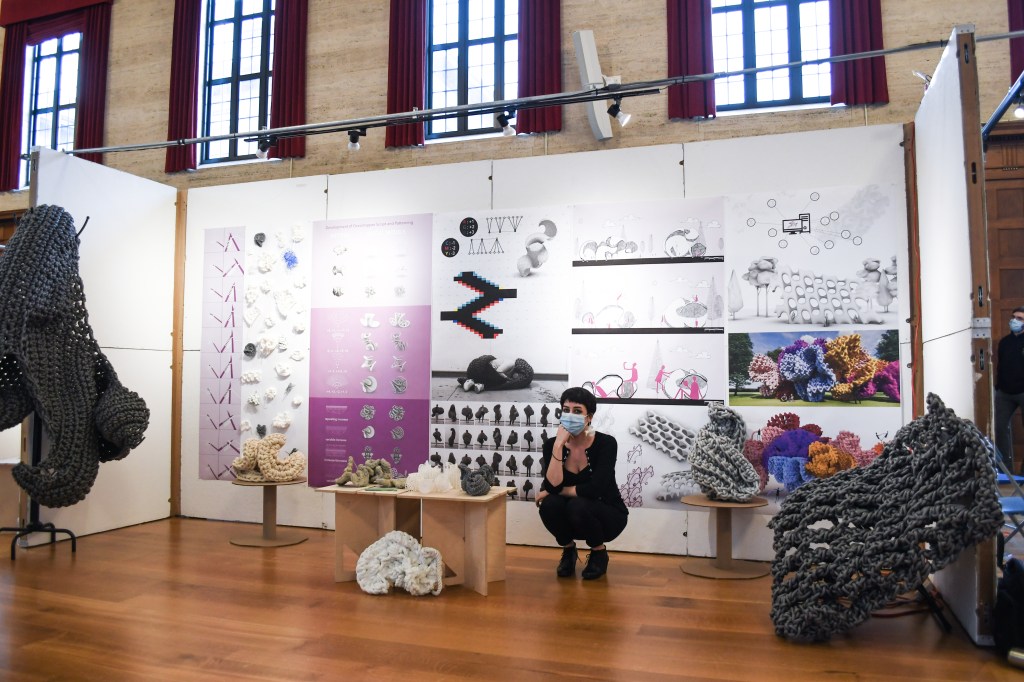
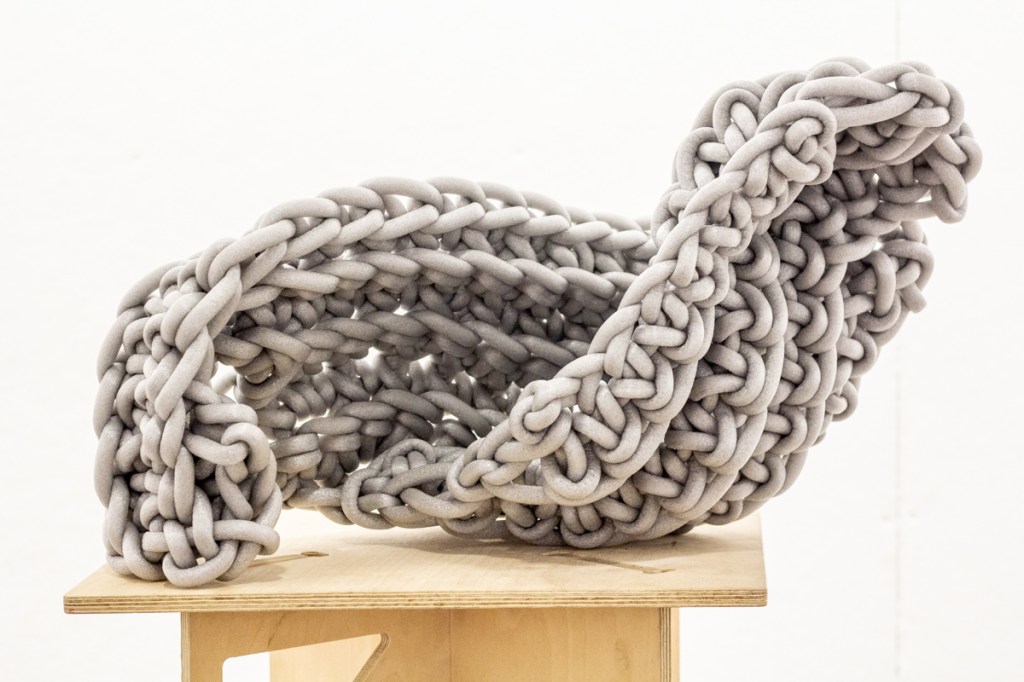
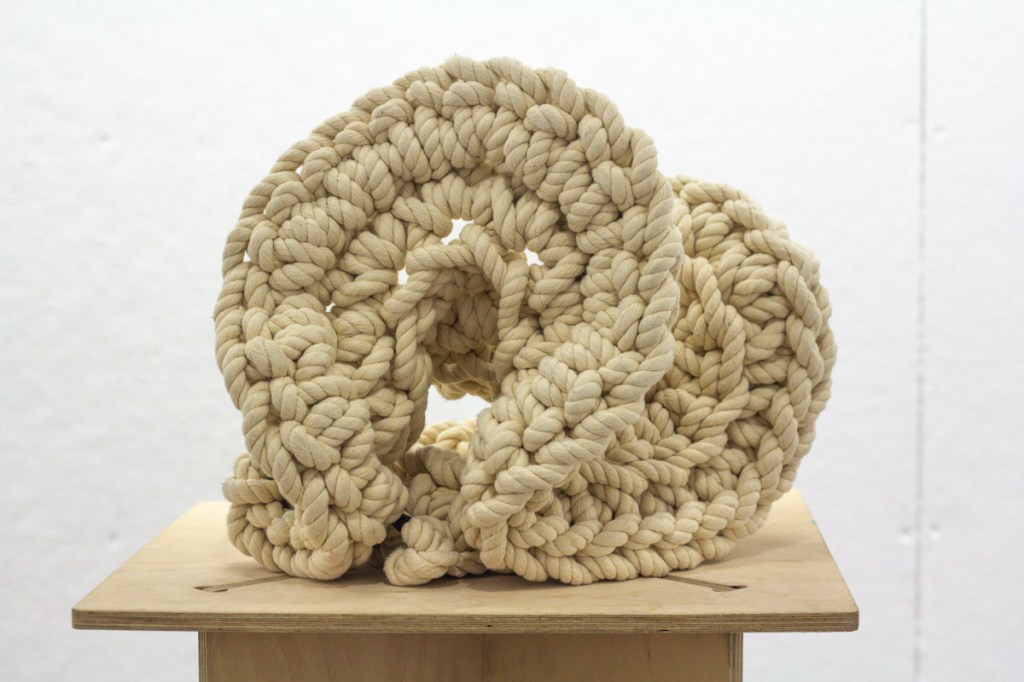
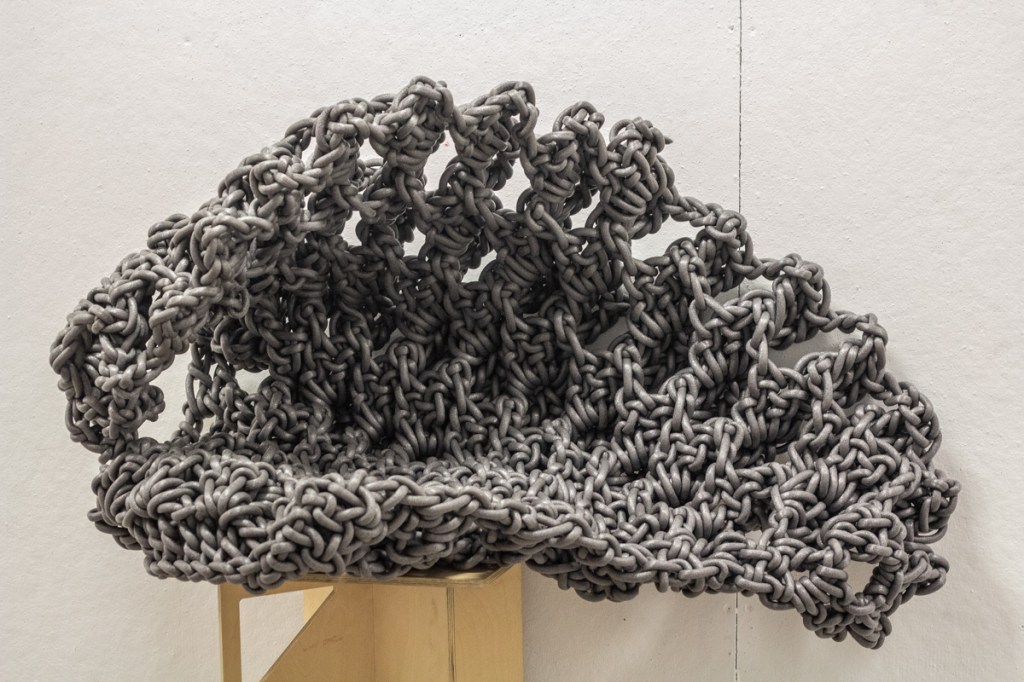
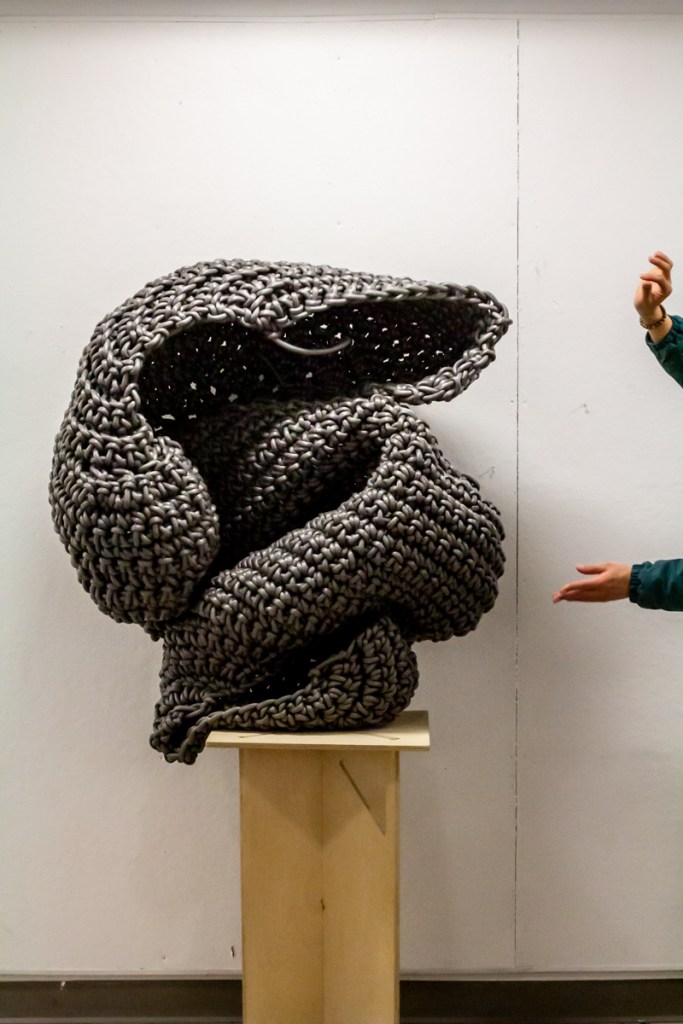
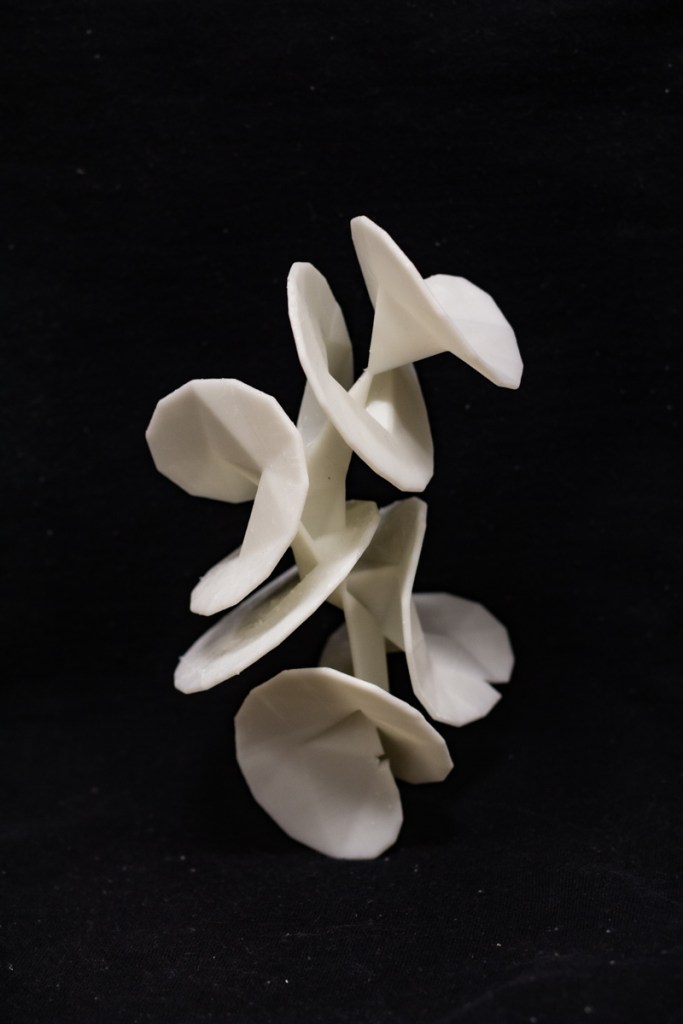
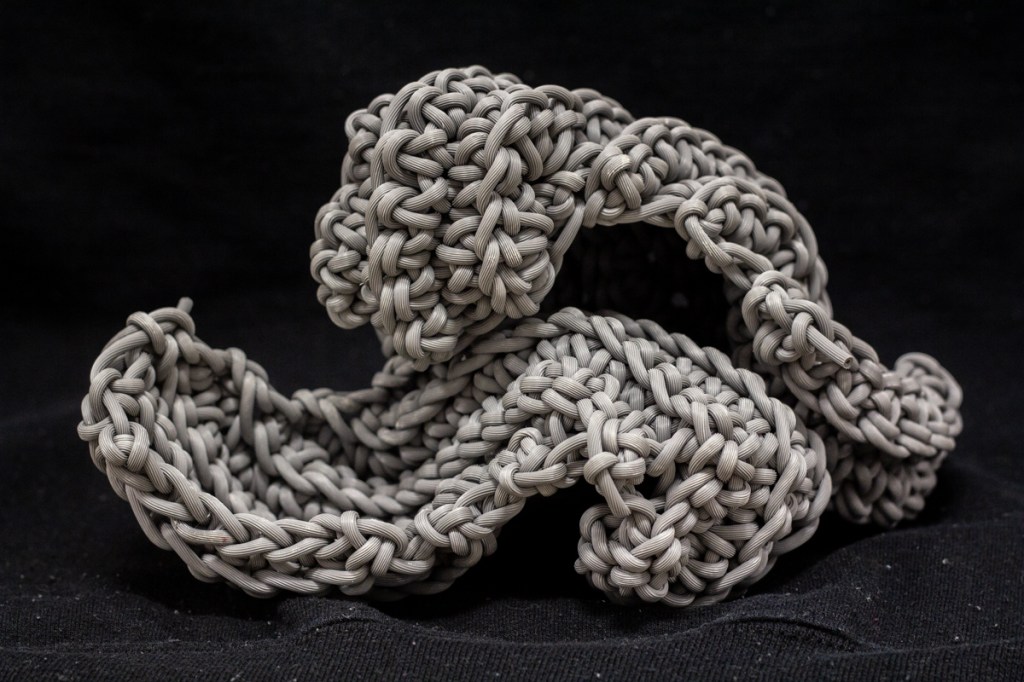
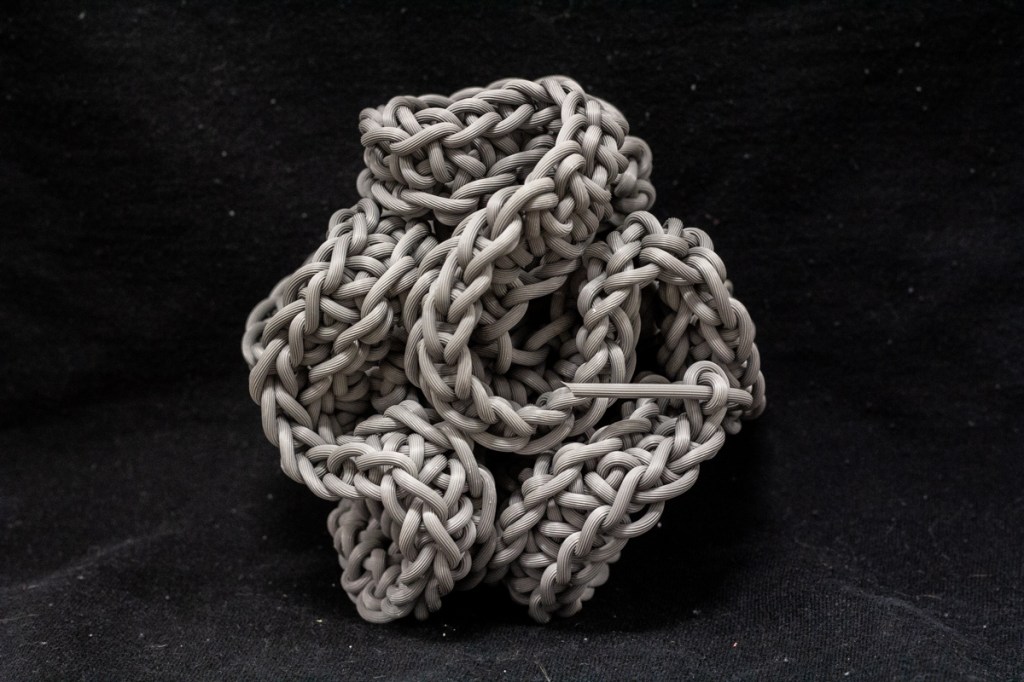
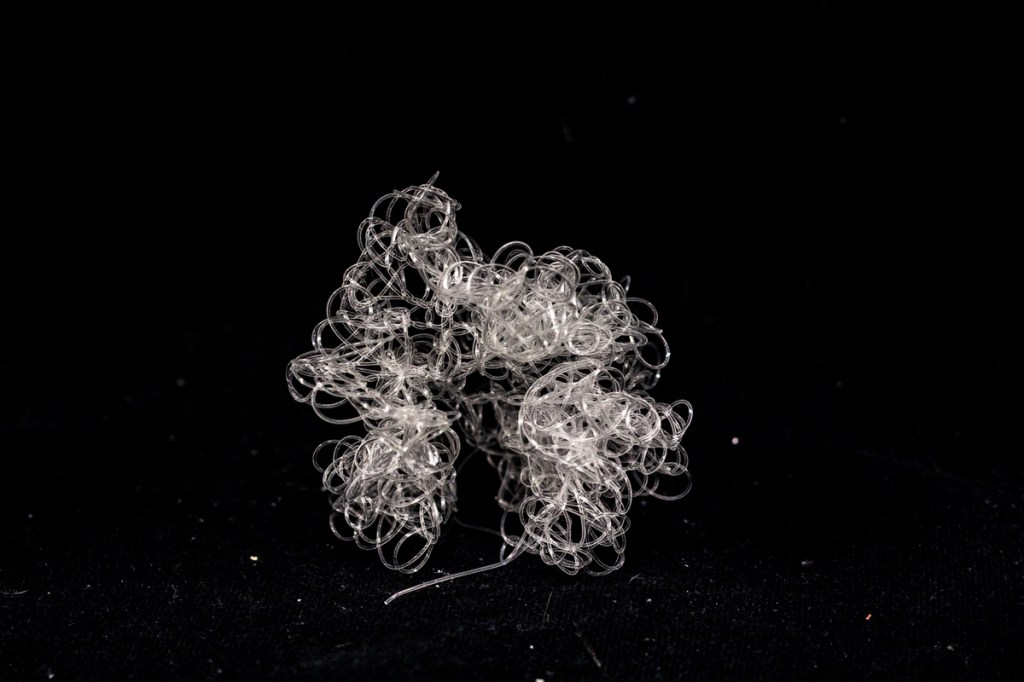
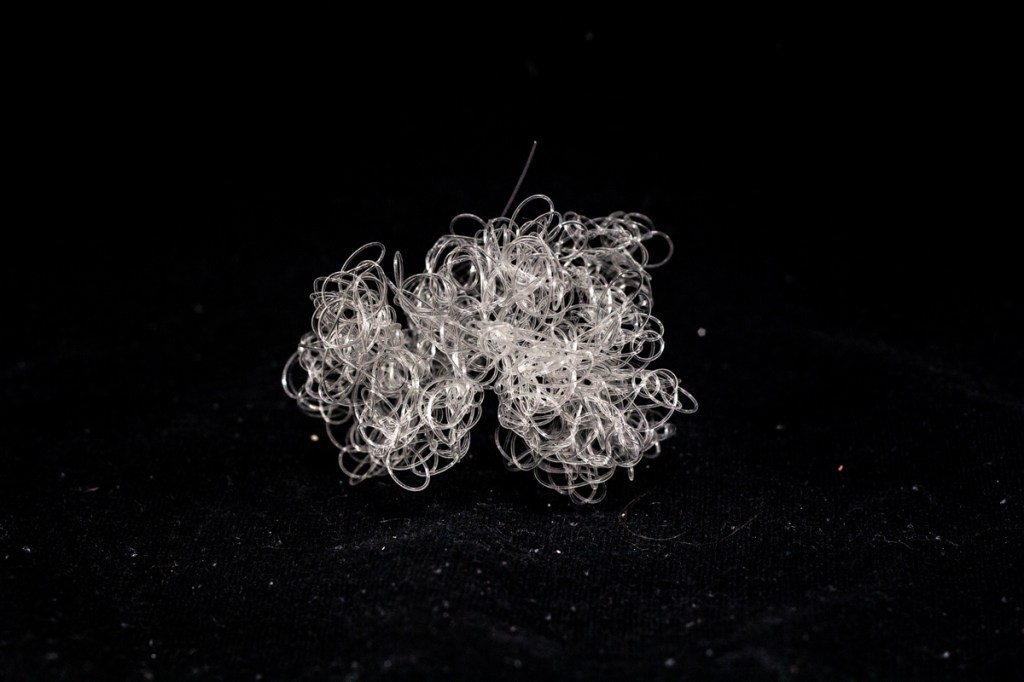
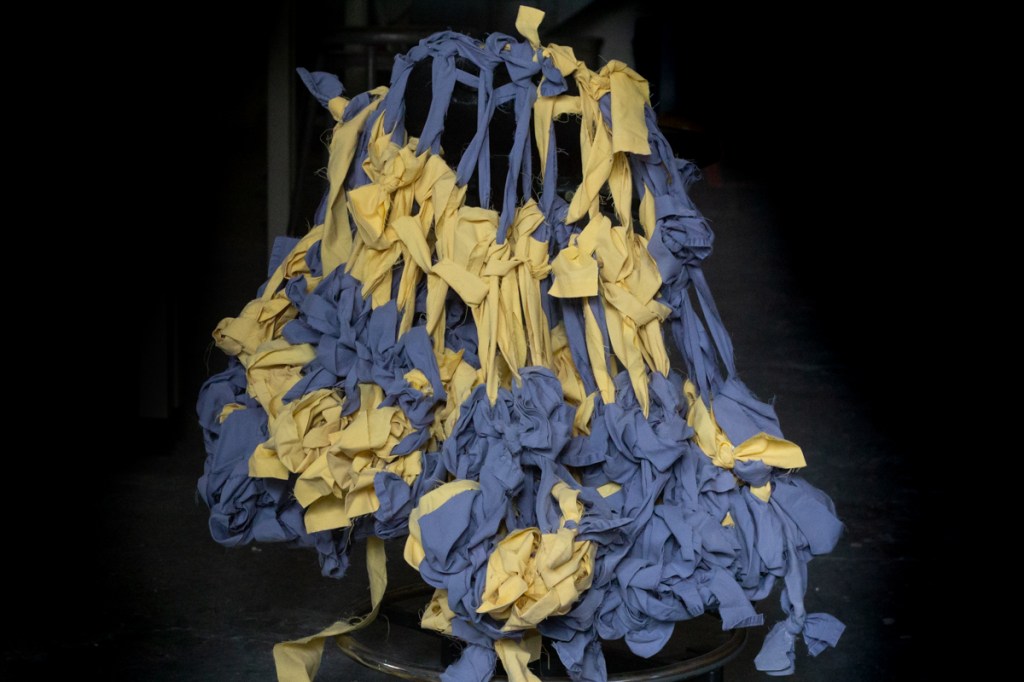
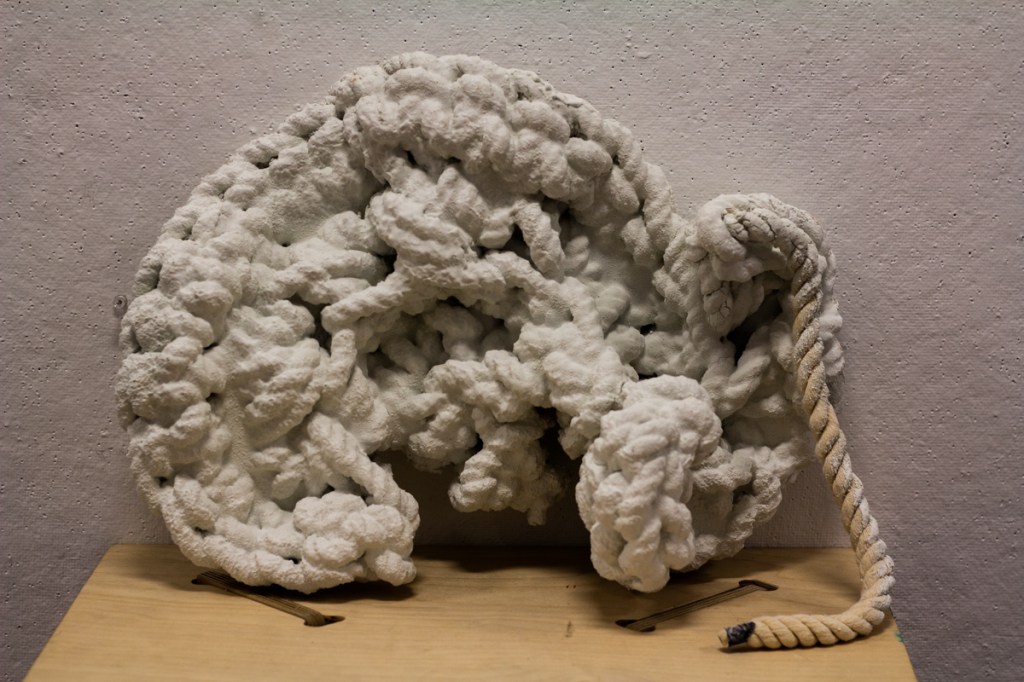
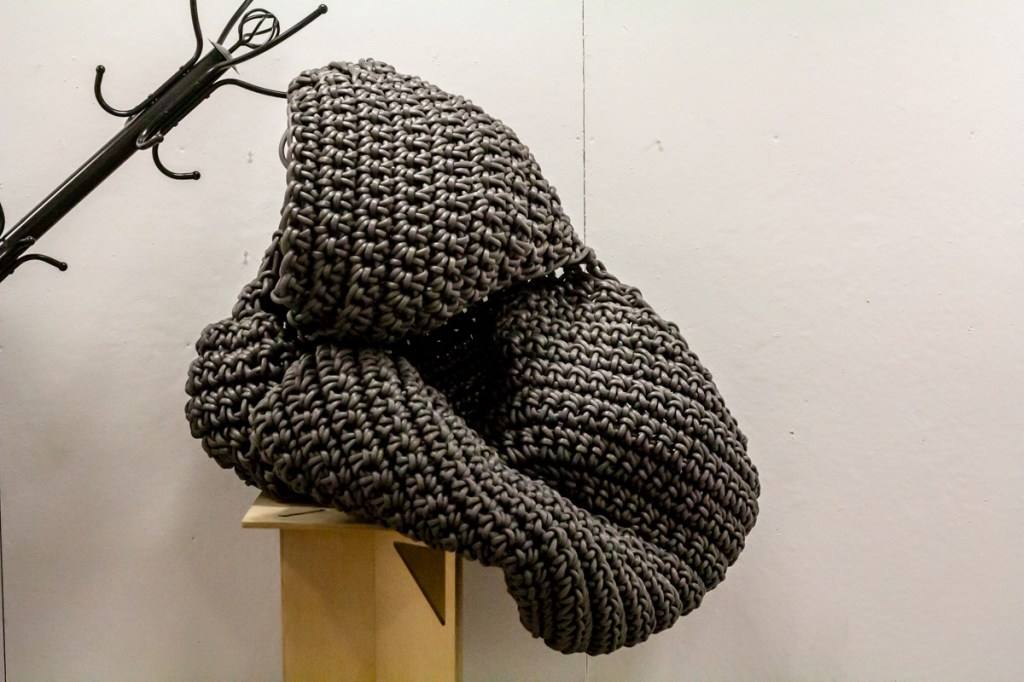
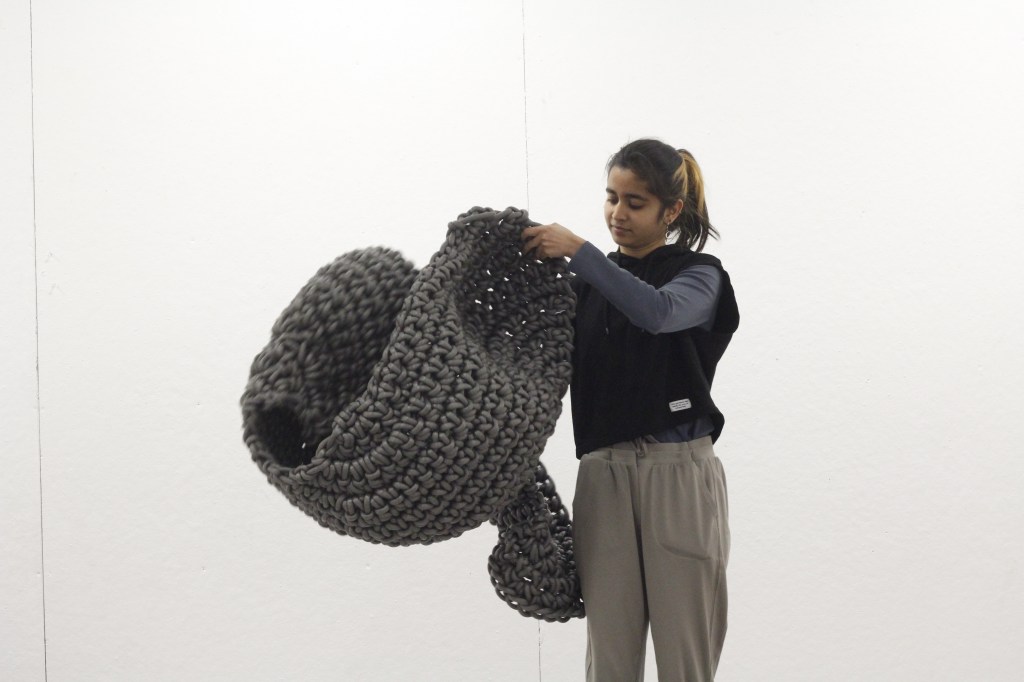
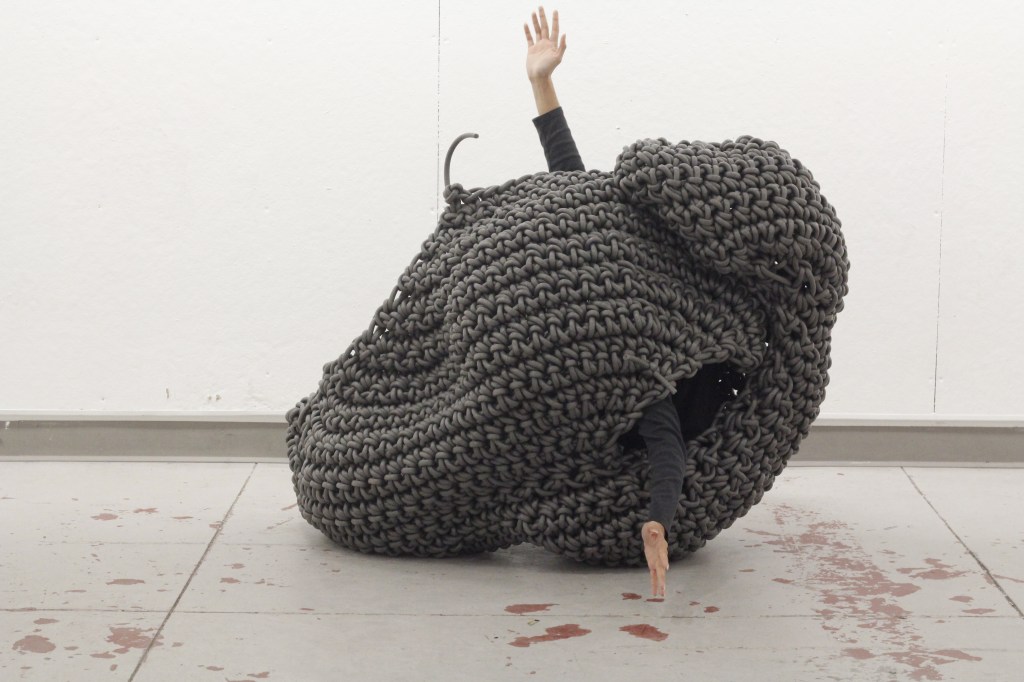
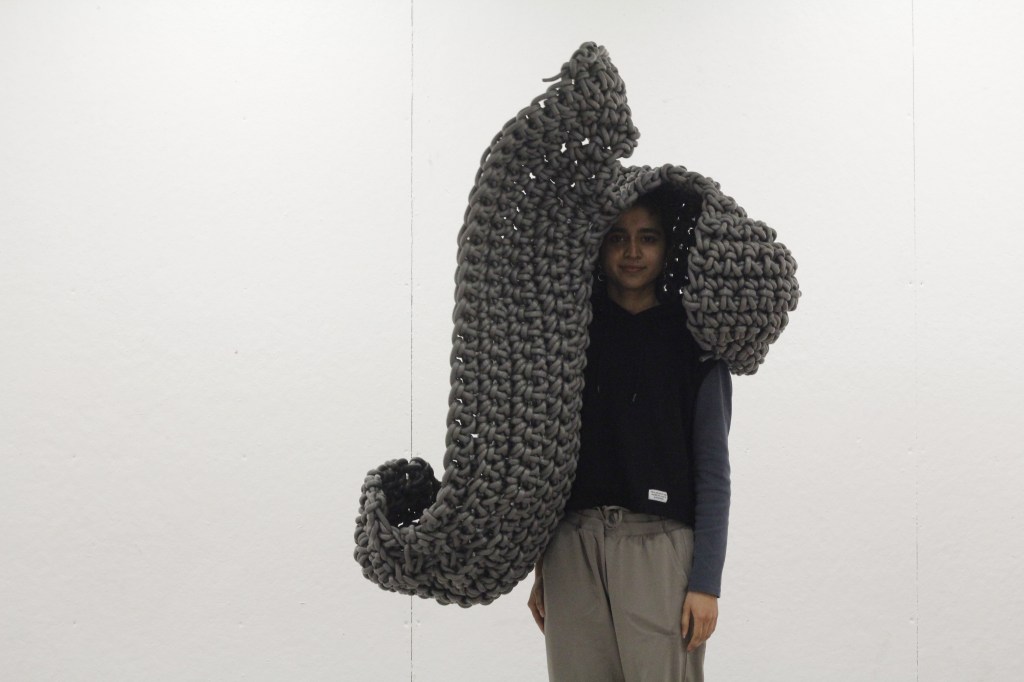
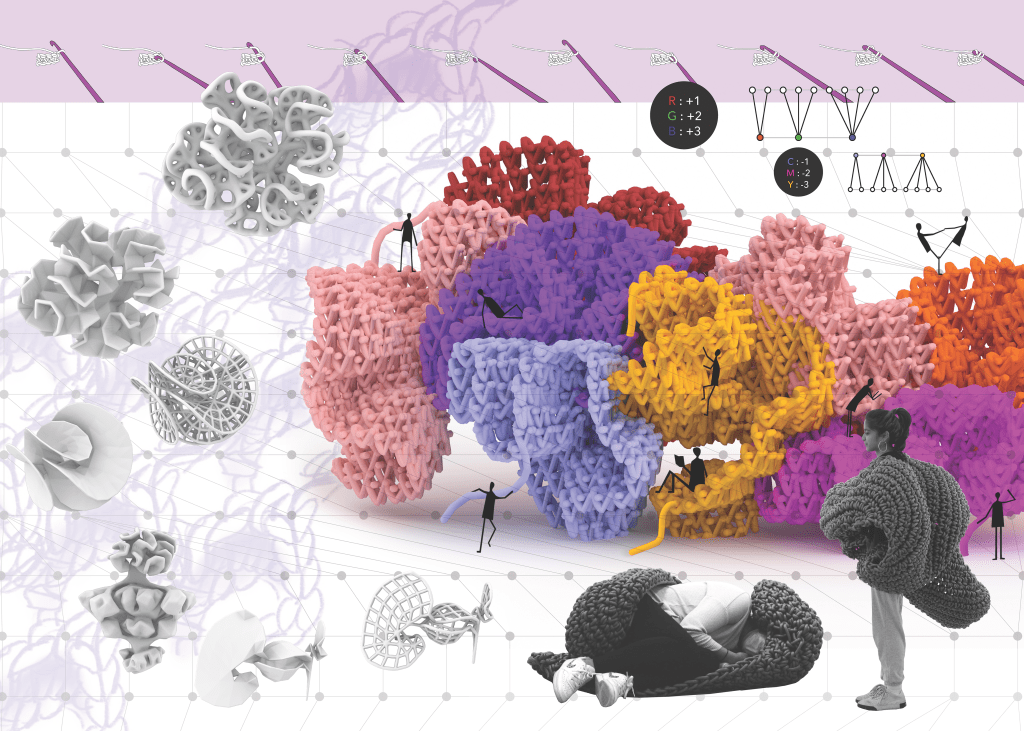
Fiber art is an often overlooked, but fascinating field of study. Its practice has been the basis of architectural theories, the development of computation, the study of protein folding in bioengineering, and many other seemingly unrelated fields. In particular, crochet has potential for spatial design exploration that we have yet to fully unravel. The interaction of handcraft techniques and digital design methods can push the boundaries of architectural form making and lead to new ways of building.
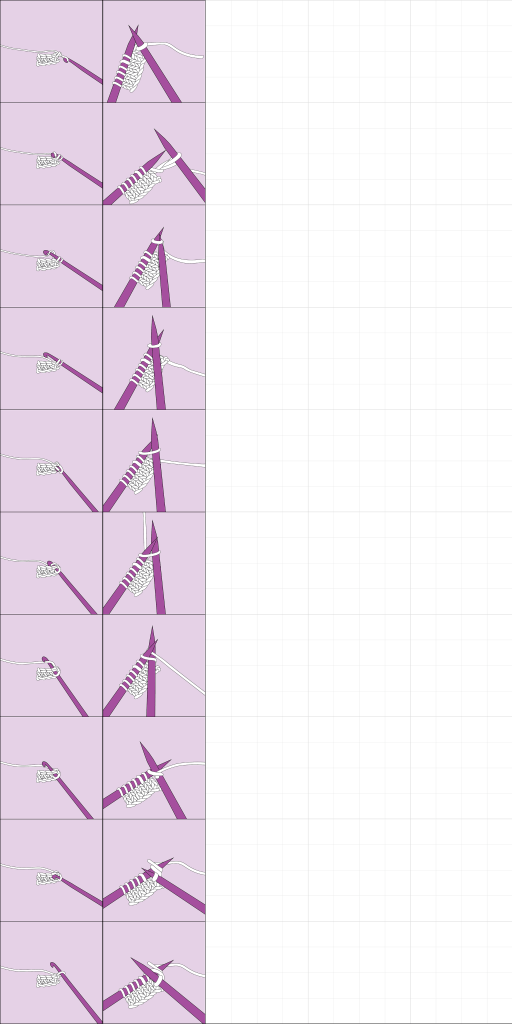
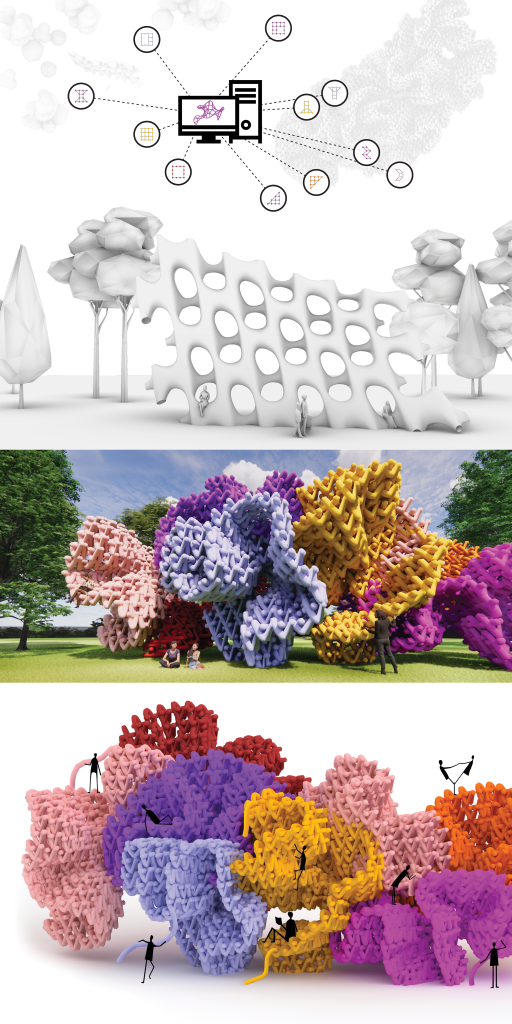
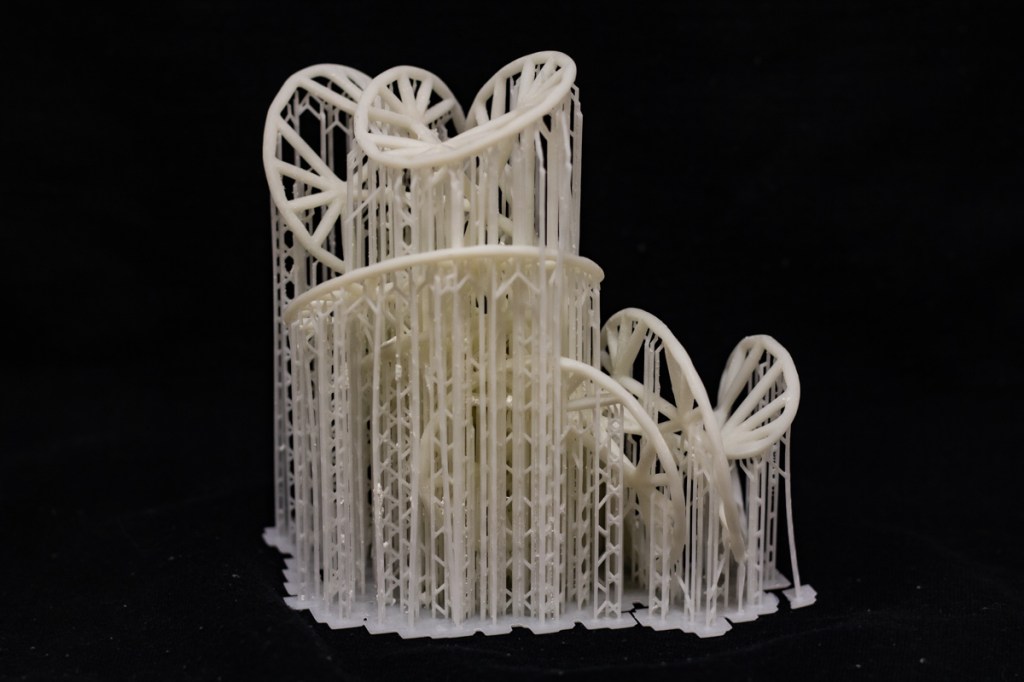
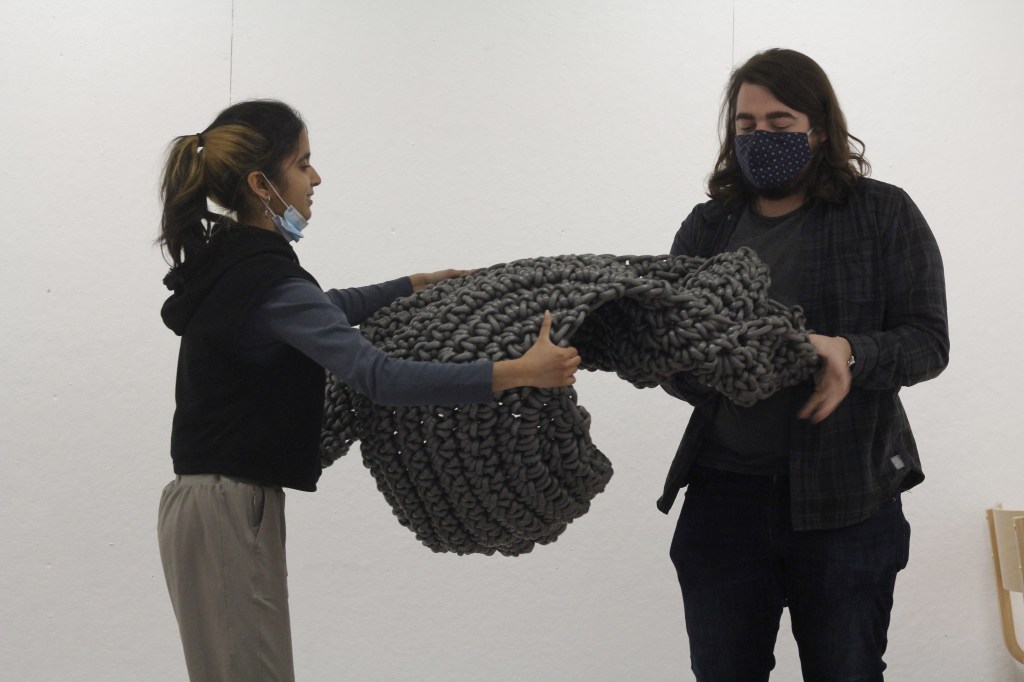
The freeform nature of crochet combined with its nonmachinable characteristics form a compelling duality with the complex geometries and automated processes studied by computational design and digital fabrication. Using one background to explore the other leads to the two bodies of knowledge merging in unexpected and novel ways. By exploring the elements of process, material, and scale, this thesis demonstrates the potential for discovery and innovation through the juxtaposed study of the two disciplines.











 SWM Portfolio